SmartPM checks schedule quality every time you upload a schedule or change a Quality Profile. Each check follows industry best practices and looks at over 35 quality checks. The analysis updates as schedules change.
SmartPM can analyze schedule quality in one of two ways:
1. Use the Current Project Quality Profile (Default)
- SmartPM always uses the latest Quality Profile
- Past schedules may be re-scored when:
- A new schedule update is uploaded
- The Quality Profile is changed
- Quality grades can change over time
Example:
Out-of-sequence activities may appear in one update but not another. If later updates fix or introduce these issues, earlier grades can change.
This option is best if you want all schedules measured against today’s standards.
2. Use the Quality Profile at Time of Import:
This option locks the Quality Profile used when the schedule was first uploaded.
- Each schedule keeps the rules that applied at import
- Grades do not change retroactively
- Past results stay consistent, even if the Quality Profile is updated later
This option is best if you want stable, point-in-time reporting.
NOTE: Contact your account’s super admin to change your quality configuration.
SmartPM assigns a Schedule Quality Grade (A, B, or C) and color-codes results (green, yellow, or red).
- A (Green): High quality, reliable data.
- B (Yellow): Mixed quality, some risks present
- C (Red): Low quality schedule will not support meaningful analysis
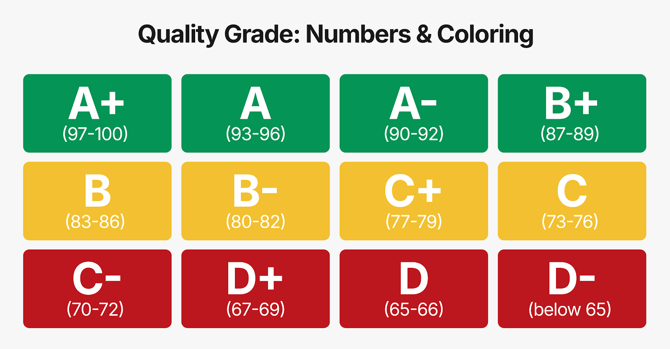
Keep in mind that there are more factors that contribute to a successful project beyond a high schedule quality score. A schedule with an “A” grade can still have significant flaws, whereas a “C” schedule doesn’t always mean the schedule is unusable.
Guidelines to Minimize Schedule Risk
A high-quality baseline and update schedules are critical tools for identifying and mitigating risks before they impact your project. By following best practices in scheduling, you can reduce uncertainty, improve forecasting, and make more informed decisions throughout the project lifecycle.
Here are key practices to help minimize schedule risks:
- Ensure every activity has predecessors and successors: Each activity should have at least one predecessor and one successor, except for the project start and completion milestones. This will ensure the schedule accurately reflects the dependencies and the flow of work, which helps prevent overlooked or disconnected tasks that could create delays.
- Minimize Constraints: Constraints can limit flexibility and increase risk in your schedule. By allowing tasks to flow naturally according to logic rather than rigid dates, you reduce the chance of schedule distortion and maintain a more realistic project timeline.
- Keep Construction Activities within Reasonable Durations: Tasks with long durations can mask progress issues and introduce risk. Breaking larger tasks into manageable segments improves visibility into progress and makes your schedule easier to track and control. Best practice; no single construction activity should exceed 20 working days.
- Apply Crew Logic: Crew logic ensures that activities reflect the actual sequencing of work in the field, especially when multiple trades are involved. When you link work from area to area according to how crews perform tasks, your schedule becomes a more accurate representation of the project plan.
- Trust Your Instincts: If something in the schedule feels “off”, it likely is. Address these concerns as they arise to maintain schedule integrity and minimize risk.
Following these practices strengthens your baseline schedule, making it a reliable planning and risk management tool that keeps your project on track and on budget from start to finish.